Ward Frequencies: The Volunteer DJs Broadcasting Through Britain's Sleepless Hours
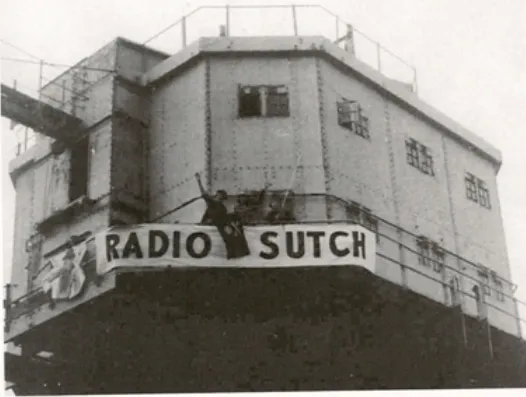
Photo: Colin Dale, CC BY-SA 3.0, via Wikimedia Commons
At 2.17am, the phone rings in a room the size of a stationery cupboard. A volunteer in headphones answers. On the line is a nurse on a ten-minute break, asking for something slow. She gets 'Wonderful Tonight'. Three corridors away, a patient who hasn't slept properly since Thursday hears it through a bedside headset and presses the request button. This is hospital radio: a volunteer-run, mostly unglamorous network that keeps Britain's small hours company, one dedication at a time.
The studio at the end of the corridor
Hospital broadcasting in the UK has been part of the furniture since the postwar years, when volunteers began wiring wards with records, a microphone and a lot of goodwill. Today it survives in basements, portakabins and converted cleaners' cupboards — tiny studios with a mixing desk, a rack of headphones and a phone that never stops ringing. Dozens of stations are affiliated to the Hospital Broadcasting Association, staffed by students, retirees, former radio pros and people who were once patients themselves.
The setup is often gloriously low-tech: a playlist built from requests, a rota pinned to a corkboard, a mug that says 'World's Okayest DJ'. But the reach is real. Many stations now stream online as well as piping into wards, which means a patient's family in Australia can tune in to the same dedication as their mum in Sheffield. That shift has quietly turned a local service into something more expansive — a form of care that travels.
A request line that doubles as a lifeline
What separates hospital radio from every algorithm-driven playlist is the request. A song for bed four. A song for the porter who's just finished a twelve-hour shift. A song for a man who wants to hear his late wife's favourite. Volunteers learn the ward rhythms, remember the regulars, and develop the kind of bedside manner you can't teach in a media studies course. The show isn't about the DJ. It's about the person on the other end of the headset.
During the pandemic, when visitors were barred and wards went quiet, many stations moved to pre-recorded shows and remote requests. It was a reminder that hospital radio isn't just entertainment; it's infrastructure. In a country where loneliness is a public health issue and nightlife increasingly means a £14 cocktail and a queue, hospital radio remains free at the point of use — available to anyone with a bed and a pair of headphones.
The night shift's secret soundtrack
NHS night staff are among the most loyal listeners. Nurses, porters, cleaners, security guards and radiographers tune in during breaks, and some stations run dedicated request hours for the night shift. There's a particular intimacy to a show that soundtracks the 3am handover and the 4am lull — the hours when corridors hum with strip lights and the building feels like a different country.
Volunteers talk about the 'night voice': slower, warmer, less Radio 1, more 'someone's here with you'. You won't hear a blaring breakfast-show jingle at 2am. You'll hear a request for Stormzy, then a request for Elvis, then a dedication to a cleaner who's retiring after thirty years. It's a version of late-night culture that doesn't rely on alcohol, tickets or staying out until sunrise. It just relies on someone showing up.
Streaming, funding and the fight for airtime
For all its warmth, hospital radio is fragile. Most stations are charities, funded by League of Friends groups, fundraising events and the occasional grant. Bedside units are expensive to maintain, and some hospitals have removed them as part of cost-cutting, pushing stations to adapt with Wi-Fi streams and personal devices. Volunteer burnout is a real issue, and the average age of a hospital radio DJ is often closer to pension than playlist.
The sector knows it needs younger volunteers and a wider range of voices, and the Hospital Broadcasting Association runs training and networking to help. But the bigger argument is cultural. Access to music and company shouldn't stop at the hospital door. If we can fund a night-time economy, we can fund a night-time care network that asks for nothing more than a microphone and a phone line.
Why it matters after dark
Hospital radio is easy to overlook because it doesn't sell tickets or trend on social media. But it's one of the most honest forms of after-dark culture we have: unpaid, unpolished and utterly uninterested in cool. It exists for the person who can't sleep, the nurse who can't switch off, the family member listening from a thousand miles away.
So next time you're awake at 3am, scrolling past another nightlife recommendation, remember the cupboard studio. Somewhere in a hospital basement, a volunteer is playing a song for a stranger. That's a night out worth celebrating.