Basement Spotlights: Why Britain’s Smallest Stages Own the Midnight Hour
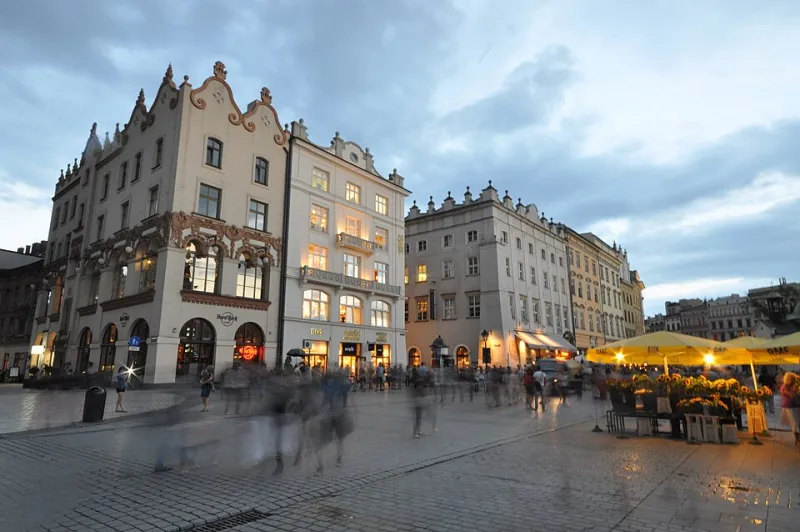
Photo: Jorge Láscar from Australia, CC BY 2.0, via Wikimedia Commons
The first thing you notice is the ceiling. In the best late-night cabaret rooms it is low enough to make the performer seem closer, and close enough to make you forget the last bus has gone. You are in a pub basement off a high street, or a back room behind a bookshop, or a 60-seat theatre above a kebab shop. The show starts at 11.45pm. By 1am the room is full. By 3AM nobody is checking their watch.
This winter, as UK venues push their programmes past midnight, the tiny stage is no longer a warm-up for the main event. It is the main event. Drag, circus, cabaret and the strange hybrid bills that sit between them are finding new audiences in rooms where the back row is barely a dozen steps from the bar. The result is a late-night culture that feels less like a big night out and more like a secret worth keeping — except everybody is now trying to book a ticket.
Why the small room wins after midnight
At 3AM, scale is a liability. A 2,000-capacity club can sell atmosphere, but it cannot sell eye contact. A 60-seat basement can. Programmers talk about the 'third act' — the point after the main show when audiences are loose, warm and willing to try something stranger. In a small room, that willingness is contagious. A drag king can step off the stage and land a punchline in the front row. A circus performer can make a trapeze feel like it is happening in your living room. A cabaret MC can read the room because the room is literally close enough to read.
One Bristol programmer I spoke to described late cabaret as 'the opposite of a nightclub queue'. You do not stand outside waiting to be chosen. You sit down, you get a drink, and the show comes to you. That hospitality matters. It also explains why so many first-time late-night audiences — people who might feel out of place in a warehouse — are turning up to tiny theatres instead.
The economics of a 60-seat room
The maths is brutal and beautiful. A 60-seat room cannot survive on ticket sales alone, so the bar does the heavy lifting. Early-evening shows pay the rent; late shows build the reputation. That means late cabaret can take risks. A bill might mix a queer clown, an aerial hoop act and a spoken-word artist who has never played after midnight before. If it fails, it fails cheaply. If it lands, the room remembers.
Performers feel the difference too. 'You can hear the audience breathing,' one Manchester drag artist told me. 'In a big venue you project. In a basement you can whisper.' That intimacy changes the writing. Sets get shorter, sharper, more conversational. A 12-minute act has to earn its place. Nothing can coast on spectacle alone, which is why the best late-night bills feel like a mixtape rather than a marathon.
Drag, circus and the art of the short set
Late-night cabaret is built for variety. A drag MC holds the centre, then a circus act resets the room's sense of what a body can do, then a comics or a singer changes the temperature again. The short set is the form's secret weapon. It keeps energy high, stops one performer's persona from swallowing the night, and gives audiences permission to be surprised.
The best programmers treat the running order like a DJ set. They know when to go loud, when to go weird, when to give the room a breather. And because the venues are small, they can respond to the crowd in real time. If a Tuesday audience is quiet, the MC can lean into conspiracy. If a Saturday crowd is up for it, the circus act can add a beat. That flexibility is hard to find in a touring theatre. It is the whole point of the basement.
City-by-city: late cabaret to book this winter
London. Start with The Glory in Haggerston for late drag and chaotic cabaret, then check The Karaoke Hole for the kind of midnight bill that refuses to behave. For circus-adjacent late shows, keep an eye on the smaller rooms around Soho and Bethnal Green — the listings change fast, but the appetite for 1am starts is growing.
Manchester. The Molly House's back room and the smaller stages around the Northern Quarter are programming late drag and variety nights with a proper local crowd. Look for bills that mix established hosts with first-time performers; that is where the energy is.
Bristol. The Wardrobe Theatre and the basement rooms around Old Market are the places to watch. Bristol's late cabaret scene is small but stubborn, with a strong queer and circus overlap. Book early for weekend shows — 60 seats disappear quickly.
Brighton. The Latest Music Bar and the smaller rooms off Kemptown are reliable for late cabaret that leans into seaside camp. Brighton audiences are forgiving but not easily impressed, which keeps the bills sharp.
Glasgow. The Old Hairdressers and the basement venues around the Merchant City are worth checking for late variety and drag nights. Glasgow's late crowd is warm, noisy and up for a 2am start if the bill is right.
Leeds. Wharf Chambers and the smaller arts rooms around the city centre are programming late cabaret with a DIY feel. Expect mixed bills, cheap tickets and a crowd that knows the performers by name.
Cardiff. The Queer Emporium and the small rooms around Womanby Street are the places to start. Cardiff's late scene is still building, which means you can catch performers before they get too big for a 60-seat room.
Licence, neighbours and the 3AM question
Late cabaret is not evenly distributed. Licences, neighbours and transport all shape what is possible. A venue with a 3AM licence and a supportive council can build a late programme; a venue without one cannot. That is why the best small-stage scenes tend to cluster in cities where the night-time economy is treated as culture rather than nuisance.
Accessibility is the other fault line. Step-free access is rare in pub basements. Toilets are often up a tight staircase. If late-night culture is going to grow, it has to grow inclusively — not just by adding more shows, but by making sure the rooms are reachable, the tickets are affordable and the programming reflects the city outside the door.
Still, the direction of travel is clear. As 2026 draws to a close, the most interesting cabaret in Britain is not in the biggest theatre. It is in the basement, under a low ceiling, with a drink on the floor and a performer close enough to see you smile. The midnight hour has found its stage. It is smaller than you think.