Last Screening, First Dance: The Cinemas Turning 1AM Into a Dancefloor

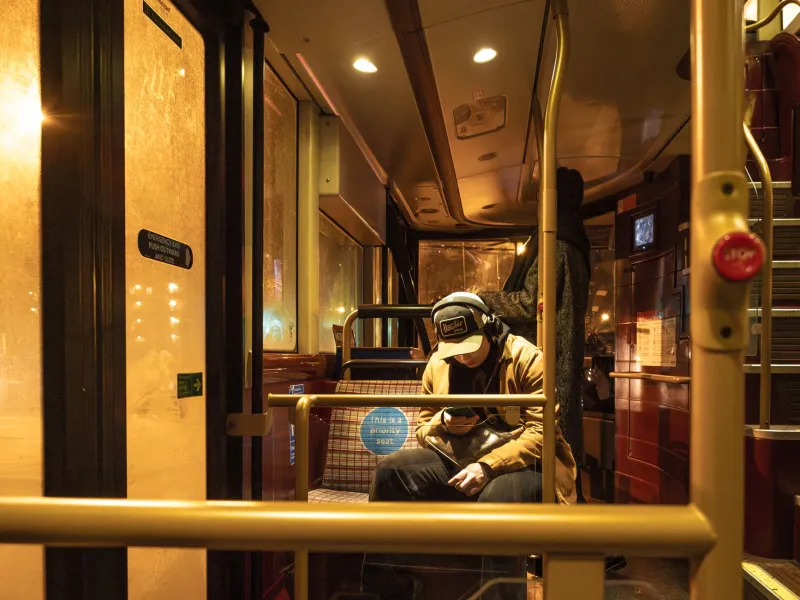
Photo by Photo by Samuel Regan-Asante on Unsplash on Unsplash
The lights go down at 11pm, but nobody is reaching for their coat. At a growing number of independent cinemas across Britain, the closing credits are not a signal to file out politely into the drizzle. They are a cue. The screen goes dark, the bar lights come up a notch, and the room rearranges itself into something closer to a dancefloor than a foyer.
This is the after-midnight cinema club: part screening, part social, part gentle re-education in how to be a room full of strangers together. The films are often about movement, sound and subculture — a documentary on Chicago house, a restored classic of street dance, a cult musical with a devoted following. But the point is what happens next.
The 11pm Threshold
Late-night cinema is not new. Cult screenings, all-nighters and midnight movies have been keeping insomniacs company for decades. What has changed is the shape of the evening. Instead of a film and a dash for the last Tube, venues are programming the 11pm-to-3am slot as a full arc: a warm-up, a feature, a DJ set, a workshop, a place to sit and talk rubbish with someone you have never met.
It makes sense for venues, too. Cinemas have long relied on popcorn and patience, but the late slot can bring in a different crowd — people who want a night out that does not begin and end with a sticky club floor. The result is a softer, stranger kind of nightlife: one where you can watch, learn, move and leave with your hearing intact.
When the Soundtrack Leaves the Screen
The best of these nights understand that a film about dance is not the same as dancing. So they build a bridge. A screening of a voguing documentary might be followed by a ballroom-inspired movement session in the bar. A jungle retrospective might come with a DJ who actually knows the difference between a rewinds and a rewind. A cult musical might end with the audience already on its feet because the host has spent the last twenty minutes gently encouraging it.
The format is flexible, which is part of its charm. Some nights are heavily curated: a talk, a film, a set, a strict finish. Others are looser — a film, a playlist, a few decks in the corner and a permission slip to stay as long as you like. The common thread is participation. You are not just receiving culture; you are invited to make a bit of it yourself.
Rooms Worth Staying Up For
You do not have to look far to find this programming. London's independent cinemas have been testing the format for years: the Rio in Dalston, Genesis in Mile End and the Prince Charles Cinema's cult marathons all understand that a late-night audience wants more than a seat and a screen. In Bristol, the Cube Microplex has long treated the cinema as a social space, with benefit nights and genre deep-dives that spill into the bar. Sheffield's Showroom, Newcastle's Tyneside and Nottingham's Broadway have all experimented with late events that blur the line between screening and session.
Further north, Glasgow Film Theatre and Edinburgh's Filmhouse alumni network have kept the flame for repertory cinema that feels like a night out rather than a lecture. In Cardiff, Chapter arts centre has the advantage of a bar, a stage and a licence to let things run late. The specifics vary, but the mood is consistent: the film is the anchor, not the entire boat.
How to Do It Properly
If you are cinema-curious but club-shy, a few practical notes will help. First, check the actual end time, not the advertised start. A 1am finish with a 3am DJ set is a different commitment from a 90-minute film, and the last night bus waits for no one. Second, eat something. This is a long evening, and the bar may be serving crisps and good intentions rather than a full meal.
Third, dress for the room. Layers are your friend: cinemas run cold, dancefloors run hot, and the bit in between is unpredictable. Fourth, go early if you want to talk to people. Many of these nights have a social half-hour before the film, and it is much easier to say hello when everyone is still finding their seats. Fifth, respect the screen. Chat in the bar, not during the credits — unless the host has explicitly invited it.
Finally, ask about access. Step-free routes, chill-out spaces, sober options and quiet corners are not luxuries; they are what make a late night genuinely open to everyone. The best venues will have answers before you ask.
The Morning After the Night Before
What makes these nights worth the lost sleep is not the novelty of being out late. It is the feeling that you have been part of something rather than merely present at it. You came for a film and left with a move, a conversation, a phone number or a new favourite record. The credits were not the end. They were the warm-up.
So next time a cinema advertises a 11pm start and a 2am finish, read the small print. There may be a dancefloor in the foyer, a workshop in the bar and a DJ who knows exactly when to play the song from the film. Britain's night out is changing, and some of its best rooms now have a screen at one end and a soundsystem at the other.