Housey Housey: The Bingo Halls Trading Dabbers for Decks After Dark
Photo: OathOn, CC BY-SA 4.0, via Wikimedia Commons
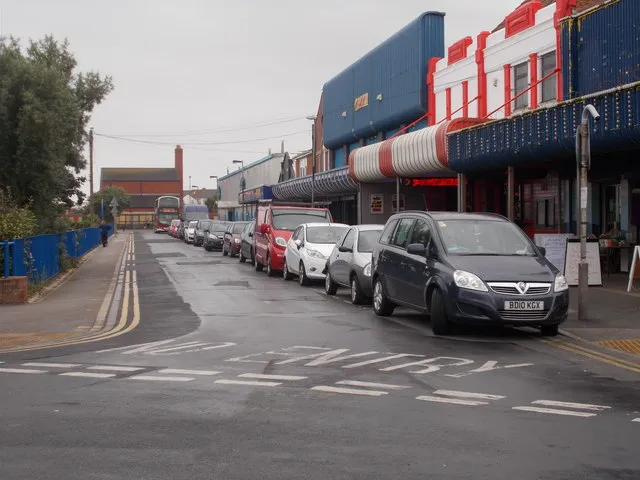
On a wet Friday in November 2026, the smell of chip-shop vinegar is still hanging over the seafront when the doors of a suburban bingo hall swing open. Inside, the carpet is pure 1980s leisure centre: swirly, stubborn, weirdly comforting. A woman in a sequinned cardigan is arranging her lucky mascots beside a stack of books. A bloke in a bucket hat is asking the bar if they do oat milk. Neither looks remotely out of place.
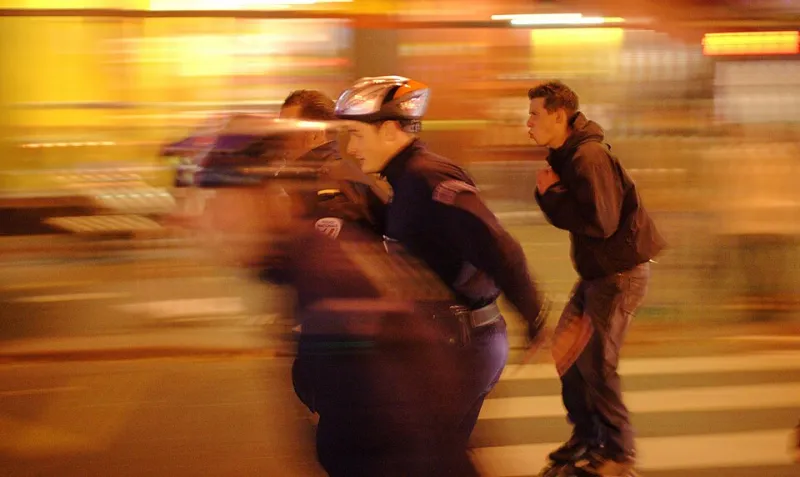
By half nine, the last numbers have been called. The dabbers go down. A promoter named Mara slides behind a pair of decks set up where the prize table usually lives, and the room tilts from hush to hum. The first kick drum lands somewhere near the raffle tickets. Nobody gasps. They just shift their chairs, order another round and see what happens next.
This is the quiet reinvention of the British bingo hall: part community palace, part after-dark playground. Across the UK, from faded seaside towns to the edge-of-city retail parks, rooms that were built for full houses are experimenting with late licences, electronic music and cabaret. The aim isn't to erase the old night. It's to stretch it.
The Caller and the Crossover
Dennis has been calling bingo for thirty-one years. He has the voice of a man who has seen every possible variation of 'two little ducks' and still enjoys the theatre of it. When Mara first approached him about a joint bingo-rave night, he was sceptical.
'I thought, here we go, another bunch of kids wanting to use the hall for a party,' he says, folding his caller's microphone cable with the care of someone packing a parachute. 'But she asked me what I wanted. I said: don't mess with the first forty minutes. Let people play. Then do what you like.'
That pact has become the template. The night opens with proper bingo: books, pens, a caller in full flow, prizes that range from a slow cooker to a bar tab. The regulars get their ritual. The newcomers get a crash course in concentration. Only when the final house has been claimed does the PA start to pulse.
'It's a handover,' says Mara, who runs a small events collective in the north-west. 'The bingo crowd leaves, or some stay, and the rave crowd comes in. But there's an overlap now. The other week I saw a woman in her seventies dancing to a garage remix with a guy who couldn't have been older than twenty-two. That's the whole point.'
From Coronation Street to Club Night
The halls themselves are unlikely cathedrals. Many were built in the 1960s as cinemas or dance halls before becoming bingo venues. They have stages, sprung floors, deep bars and the kind of sticky carpet that has absorbed decades of Saturday nights. They also have space, which is increasingly rare in British nightlife.
In a suburban hall outside Leeds, the weekly 'Bass & Balls' night has become a local institution. The promoter, a former warehouse DJ called Sol, says the venue's existing licence and car park made it easier to launch than a city-centre club. 'We don't have to fight a residential neighbour at 2am,' he explains. 'We have a hall that's been making noise since before I was born. We just have to be respectful of the bingo crowd who use it in the day.'
Respect is the recurring word. The best of these nights don't parachute in and treat the hall as a novelty backdrop. They hire the regular caller. They keep the tea urn. They programme cabaret turns between DJ sets, from drag queens doing number-based lip-syncs to a woman who performs card tricks while a minimal techno track builds behind her. The audience is invited to dress up, but not to take the piss.
The New Regulars
Priya is twenty-six and has never played bingo before. She found the night through a friend's Instagram story and came expecting irony. She left with a dabber in her bag and a new Friday routine.
'I thought it would be a laugh, like ironic bingo,' she says, shouting over a bassline in the smoking area. 'But the caller is genuinely brilliant. He has this rhythm. And everyone around me was taking it seriously in a way that made me want to win. Then the music started and the same people were dancing. It felt like a village hall and a festival at the same time.'
That feeling is what promoters are chasing. In an era when nightlife is squeezed by rising costs and early last orders, bingo halls offer something almost old-fashioned: a room that already belongs to a community. The game provides a structure. The music provides a release. Neither has to apologise for the other.
Not every night works. Some promoters have been accused of treating halls as cheap venues, ignoring the regulars' routines and leaving volunteers to clean up. The successful ones tend to be embedded: they know the committee, they pay fair rates, they programme with the hall's history rather than against it.
Keeping the Lights On
Back on the seafront, Mara is packing down while the last few dancers drift towards the exit. Dennis has already gone home, his caller's microphone switched off, his prize table folded away. The hall will be a bingo hall again by Tuesday lunchtime.
'That's the magic,' Mara says. 'It's not a club. It's a room that keeps changing its mind.'
For a generation priced out of city-centre venues and a generation worried about losing their local halls, that flexibility might be the whole future. Housey housey, then bassline. Dabbers down, hands up. The British night out is finding new rooms in old buildings, and the numbers are still coming in.