Checkmate at 2AM: The Chess Nights Where the Clock Is the Headliner
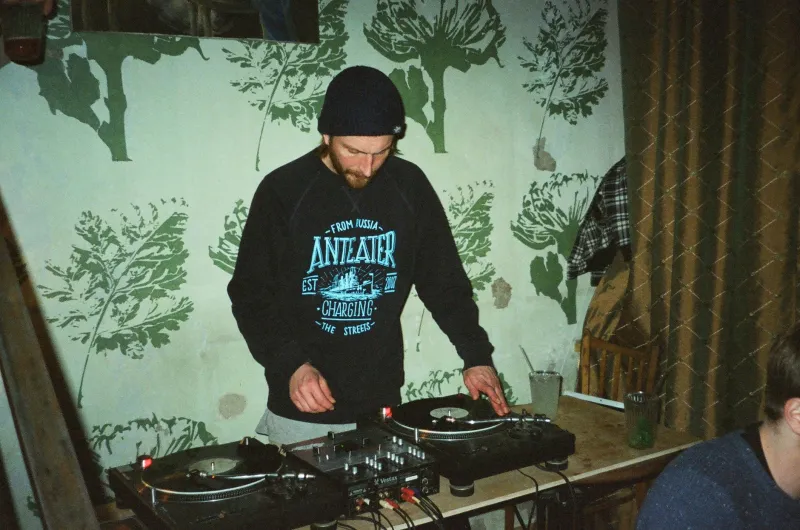
It’s gone half eleven on a Tuesday in Leeds and the bass is doing that low, chesty thing that usually precedes a queue for the smoking area. But nobody is queuing. They’re hunched over boards, tapping clocks, and occasionally looking up to nod at whoever has just dropped a remix of something half-familiar. Welcome to the after-midnight chess club: part tournament, part listening bar, part social experiment in how quiet people can be while still having a very good time.
This isn’t the chess of park tables and silent libraries. The rooms are dim, the drinks are varied, and the music is chosen with actual care. The format has been gathering pace across the UK — Bristol café basements, Manchester pub function rooms, a Glasgow arts space that clears its floor at ten — and by 2026 it has settled into something recognisable: a night out for people who want a bit of spark without the full carnage.
Why the board came out after dark
The obvious answer is money. Chess is cheap. You don’t need a headline DJ, a smoke machine, or a dancefloor licence to make a room feel alive. You need tables, clocks, and people willing to sit opposite a stranger. In a climate where a round of drinks can make you wince, the appeal of a night where the main event costs nothing — or a fiver on the door — is not hard to understand.
But there’s more going on. The online chess boom of the early 2020s proved that the game could be fast, social, and mildly addictive. What it couldn’t provide was the thing people started craving once the novelty of staring at a screen wore off: a room, a table, and the low-grade thrill of someone’s actual face when you play a move they didn’t see coming. The pub quiz had a good run. The chess night is its quieter, twitchier cousin.
There’s also the sober-curious shift. Not every night out needs to be a cider-fuelled sprint. Plenty of people want to leave the house, be around other humans, and still have a functioning brain at one in the morning. Chess offers that without feeling like a wellness seminar. You can drink or not drink. You can play badly. You can watch. The board doesn’t care.
The soundcheck problem: bass versus blitz
Here’s the tricky bit: chess requires concentration, and clubs require noise. Get the balance wrong and you’ve either created a library with a bad soundsystem or a rave where nobody can hear themselves think.
The organisers I’ve spoken to tend to solve this with geography. Separate rooms help. So do zones: a quiet corner for serious games, a louder middle ground for casual boards, and a bar area where people can actually talk. Some nights use low-slung speakers and keep the tempo below 120BPM until the blitz tournament starts. Others lean into the clash — the DJ plays deep house, the clocks tick, and the whole thing becomes a kind of endurance sport for the attention span.
Lighting matters more than you’d think. Overhead strip lights are out. Anglepoise lamps, pool-table pendants, and the soft glow of a laptop screen are in. The best nights make the board the brightest thing in the room. The DJ becomes a metronome rather than a main act. You don’t need silence; you need a texture that doesn’t demand a response.
How a night actually runs
Most of these events follow a loose arc. Early doors are for casual games and learning the etiquette. There’s usually a table for people who haven’t played since school, and a puzzle wall or a few annotated games stuck to the wall for anyone waiting. Around eleven, the blitz tournament begins: short clocks, quick pairings, a low murmur of “good luck” and “sorry” in equal measure.
Then the music shifts. Not necessarily louder, but more purposeful. The non-players drift towards the bar or the sidelines. The atmosphere tightens. You can tell the regulars by the way they sit — elbows in, clock hand hovering, eyes doing that flick between board and opponent that looks like suspicion but is usually just arithmetic.
The etiquette is strict in a way that feels surprisingly warm. No coaching from the sidelines. No hovering over a game in progress. If you want to talk through a position, you wait until the clock stops. The result is a room full of people who are technically competing but also quietly looking after each other. It’s the opposite of a lock-in. It’s a check-in.
What it says about the 2026 night out
Britain’s nightlife is changing, and not just because of licensing laws or the price of a pint. People are getting pickier about how they spend their late hours. They want something they can’t get from a screen, but they don’t necessarily want to be out until sunrise. They want to be around others without having to shout. They want a story to tell on Wednesday morning that doesn’t involve a lost coat.
The chess night fits that mood. It’s a third space that happens to have a clock. It’s progressive in a quiet way: mixed ages, mixed abilities, mixed reasons for being there. Nobody is checking whether you’ve got the latest trainers. The board is the leveller.
It won’t replace the club. It isn’t trying to. But as a model for the after-dark economy, it’s telling. Give people a reason to stay out that isn’t just volume, and they will come. Give them a table, a decent soundtrack, and a clock that stops when the game is done, and they might even stay until last orders.
At half one, the blitz final is down to two players and a small crowd. The DJ drops something slow and soulful. Someone whispers “mate, that’s mate in three” and is immediately shushed. The clock ticks. The bass hums. The night, strangely, works.