The Soft Exit: How Britain’s Clubs Learned to End the Night Gently
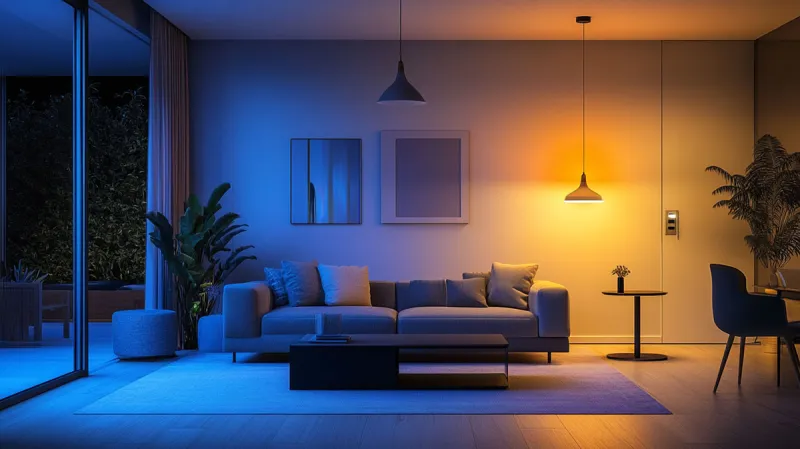
Photo: ambient chill-out room in nightclub low warm lighting cushions people relaxing UK, via awedeco.com
The last hour of a club night used to be a scrum. Coats, cash, chip shops, the frantic hunt for a night bus. In 2026, a different ending is taking shape. At the edges of dancefloors in Manchester, Bristol, Glasgow and London, promoters are building soft-landing spaces: low-lit rooms with ambient sets, water stations, trained welfare crews and, crucially, somewhere to sit that isn’t a sticky ledge or a freezing smoking area. Call it the landing room, the slow room, the soft exit. It is the part of the night that used to happen by accident, now being designed on purpose.
The End of the Night Is Being Designed
The idea is simple enough: if people are going to come down, give them somewhere decent to do it. But the execution is more thoughtful than a few beanbags and a playlist of whale noises. Promoters I speak to describe a shift in how they programme the final 60 to 90 minutes. Instead of ramping up the lights and shoving everyone towards the door, they are lowering the tempo, opening a side room and handing the last set to someone who understands restraint.
“The main room can still be going off,” says one Bristol promoter who has been running welfare-led nights since the post-pandemic return. “But we wanted a space where you could stop dancing without feeling like you’d failed. Some people need to sit down at 3am. Some need to talk. Some just need to be somewhere that isn’t a corridor.”
That might sound small. It isn’t. The exit is where nights go wrong: crowds bottleneck, taxis vanish, people who have overdone it suddenly have nowhere to be. A soft-landing room gives the night a fade-out rather than a cut. It also gives door staff and welfare teams a place to direct people who need a minute, rather than a pavement.
Ambient Is Not Background
The sound design matters. The best landing rooms aren’t just playing slow music; they’re playing music that gives the body permission to stop. Think dub techno at half pressure, cosmic jazz, shoegaze, field recordings, old ambient house, maybe a bit of Eno. In Sheffield, one crew has started booking local DJs to play what they call “horizontal sets” — no drops, no build-ups, just long, generous tracks that let a room breathe.
“You can’t just stick a Spotify chill playlist on and call it welfare,” says a sound designer who has consulted on club refits in Leeds and London. “The acoustics need to be softer. The lighting needs to be warm. If the room is still flashing, people won’t settle. We’re trying to lower the nervous system, not just the BPM.”
That means dimmable bulbs, rugs, cushions, plants that aren’t plastic, and seating that doesn’t feel like a bus shelter. Some venues are installing acoustic panels; others are simply moving the landing room away from the main bass. The result is a space that feels like a living room after a party, not a holding pen before a taxi.
Welfare Without the Clipboards
The welfare crews in these rooms are not there to police anyone. The good ones are trained in mental health first aid, overdose awareness and calm communication. They hand out water, offer earplugs, help people find their friends and, if needed, connect them to medical support. They also know when to leave someone alone.
“There’s a fine line between care and surveillance,” says a Manchester welfare coordinator. “We’re not following people around asking if they’re okay. We’re visible, we’re approachable, and we’ve got a quiet corner if someone wants to talk. A lot of it is just making the room feel safe enough that people don’t have to perform being fine.”
That approach feels distinctly progressive: nightlife as care infrastructure, not just a cash machine with a soundsystem. It recognises that the after-hours economy depends on people being able to recover, get home and come back another time. A club that treats the exit as part of the experience is a club thinking beyond the next drop.
The Journey Home Is Part of the Night
Soft landings don’t stop at the venue door. Promoters are increasingly working with local transport providers, taxi firms and night-time economy teams to make the journey home less chaotic. In Glasgow, one collective has been trialling a dawn shuttle from the venue to the city centre. In Brighton, a promoter publishes a simple “ways home” card with the night’s lineup, including bus times and walking routes.
“It sounds boring, but the night ends when you get through your front door,” says a London organiser. “If the last hour is chaos, that’s what people remember. If it’s calm, they remember the whole night differently.”
Some venues are also opening their landing rooms to people who aren’t quite ready to leave but don’t want to be on the dancefloor. Others are offering a quiet hour after the main room closes, with tea, fruit and a chance to decompress. It is not glamorous. It is not meant to be. It is the opposite of the hard exit: the slow, deliberate, humane close.
A Gentler Kind of Serious
None of this is about sanitising the night. The point isn’t to turn clubs into wellness retreats or to pretend that dance music is always gentle. The point is to acknowledge that a night out is a physical and emotional arc, and that the landing is part of the ride. Britain’s best promoters are learning that the last hour can be a feature, not a failure.
So next time you’re still standing at 4am and someone points you towards a dimly lit side room with a rug, a water jug and a DJ playing something horizontal, don’t roll your eyes. Go in. Sit down. Let the night end properly. The soft exit might be the most radical room in the club.